%2Ffit-in%2F250x250%2Fguide_websites%2F30290%2Fimages%2F17793595726532b05dc1f-3dd4-4c3d-9a61-27fd9f3ae138.png&w=1920&q=100)
Spotted Gar Fishing Charter in Lakeside Marblehead OH
Spotted Gar Fishing in Lake Erie - What to Expect
%2F%2Fusers%2F765b3a59-f4c4-485a-9e8b-8879fd2afd93%2Fimages%2Fspotted-gar-lakeside-marblehead-fishing-2671.jpeg&w=1920&q=75)
Fishing Charter by Captain Michael Flores in June

- Cast out for Big Walleye on Lake Erie



Summary
Spotted gar fishing on a Friday in June offers an exciting chance to pursue one of Lake Erie's most distinctive species. This fishing charter with Captain Michael Flores of It's Called Fishin' delivers hands-on experience targeting these aggressive predators using proven techniques and professional equipment.
Spotted Gar Fishing with Captain Michael Flores - Rates & Booking
Captain Michael Flores of It's Called Fishin' operates Friday, June 5th on Lake Erie, offering specialized spotted gar fishing experiences designed for both beginners and experienced anglers. This fishing charter focuses on hands-on learning and successful catches in one of Ohio's premier freshwater systems.
All necessary fishing equipment is provided, allowing you to concentrate on technique and the thrill of pursuit. Captain Flores brings years of local expertise targeting gar in Lake Erie's specific conditions. Whether you're looking to understand gar behavior or simply enjoy the excitement of these powerful fish, this charter delivers both education and action.
For booking details, current availability, and group rates, contact It's Called Fishin' directly. Space is limited, so reserve your spot early to secure your preferred date on the water.
Highlights of Your Spotted Gar Experience
Spotted gar present one of freshwater fishing's most rewarding challenges. These prehistoric-looking fish are known for their aggressive strikes, explosive runs, and acrobatic behavior once hooked. Lake Erie provides an ideal environment for gar fishing, with calm shallows and productive feeding zones where these species congregate throughout the season.
Landing a spotted gar requires patience, proper technique, and understanding their unique behavior. Captain Flores shares proven methods for hooking, fighting, and successfully bringing these fish to the boat using landing nets and appropriate tackle.
Local Species Insights: Spotted Gar
Spotted gar inhabit Lake Erie and other freshwater systems throughout the region, thriving in shallow, weedy areas where they hunt smaller fish. These long, slender predators are equipped with needle-sharp teeth and lightning-fast reflexes, making them formidable opponents on light tackle.
Understanding spotted gar behavior is essential for successful fishing. These fish are sight feeders that hunt actively during low-light periods and when baitfish are most active. They prefer slightly deeper water during bright midday conditions but move into shallows to feed early and late. Gar often cruise structure such as weedlines, drop-offs, and shallow flats, where they position themselves for ambush feeding.
The species earned their name from distinctive dark spots covering their bodies, providing natural camouflage in weedy environments. Spotted gar can reach lengths of three to four feet in Lake Erie, making them powerful fighters that test your skills and equipment. Their behavior—jumping, running hard, and shaking their heads—demands focused attention and proper rod control throughout the fight.
Lake Erie's unique environment supports healthy gar populations. The water temperature, depth, and abundant baitfish create ideal conditions for these predators to thrive. Captain Flores knows the specific zones, timing, and techniques that work throughout the season, translating decades of observation into consistent success for charter participants.
Whether you're targeting gar for the first time or refining your technique, understanding their habitat preferences, feeding patterns, and response to different presentations significantly improves your results. This charter provides direct instruction in all these areas, transforming your outing into both a successful fishing trip and an educational experience in gar biology and behavior.
Fishing in Lake Erie: Spotted Gar
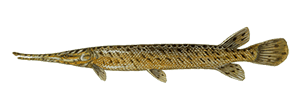
Spotted Gar Overview
The Spotted Gar (Lepisosteus oculatus) is a distinctive and ancient freshwater predator belonging to the family Lepisosteidae within the order Lepisosteiformes. Known for its elongated body, fearsome snout lined with sharp teeth, and dark spots scattered across olive and brownish coloring, this primitive fish has remained largely unchanged since the age of dinosaurs. Found throughout North America in creeks, rivers, lakes, and even brackish waters, the Spotted Gar is a favorite subject for anglers seeking an exciting challenge. Whether you're casting near the swamps of Arkansas or exploring the Great Lakes region, encountering a Spotted Gar is an unforgettable experience that connects you with millions of years of evolutionary history.
Spotted Gar Habitat and Distribution
Spotted Gars prefer calm, clear pools and bays with abundant aquatic vegetation, making them well-suited to slow-moving creeks, swamps, and river backwaters with soft mud bottoms. During daylight hours, these ambush predators remain nearly motionless near fallen logs, trees, and brush piles, using their mottled coloration as camouflage. They're found extensively throughout the Great Lakes region, Mississippi River drainages, and along the northern Gulf of Mexico coast from the Nueces River in Texas eastward to the lower Apalachicola River in Florida. Populations also thrive in northern waters, including the north and south shores of Lake Erie in Ohio, Michigan, and Ontario. The species' remarkable ability to breathe air through a specialized bladder allows it to persist in poorly oxygenated environments where other fish species struggle to survive, making swampy backwaters and dense vegetation zones prime habitat. Around Conway, Arkansas, the legendary world-record Spotted Gar was caught, demonstrating the exceptional fishing opportunities these waters provide.
Spotted Gar Size and Weight
Most Spotted Gars typically measure between 15 and 30 inches in length, though the species can grow significantly larger under optimal conditions. The maximum recorded size reaches an impressive 41 inches or more, with the world-record specimen weighing approximately 12 pounds and measuring just over 41 inches. Unlike the truly enormous Alligator Gar, Spotted Gars are generally more modest in proportions, though female specimens tend to outgrow males considerably. Anglers should expect to encounter fish in the 20 to 30-inch range most frequently, though patience and proper technique can reward you with specimens pushing toward 40 inches or beyond. The average weight range for catchable Spotted Gars falls between 4 and 6 pounds, though exceptional individuals in lakes and slower rivers can weigh substantially more.
Spotted Gar Diet and Behavior
As voracious nocturnal hunters, Spotted Gars are opportunistic predators that spend daylight hours resting motionless in strategic ambush positions. Their primary diet consists of crayfish, crabs, and aquatic crustaceans, but they readily consume other fish species including bass, shiners, and catfish—sometimes even larger fish if the opportunity presents itself. These predators employ an effective strategy of remaining perfectly still on muddy bottoms, relying on their camouflage to conceal their presence until prey ventures within striking distance. During low-light conditions and at night, they become increasingly active hunters, patrolling shallow waters and vegetation-choked areas. The species' ability to tolerate low-oxygen waters means it can thrive in environments where competitors cannot, providing it a competitive advantage. Their willingness to attack and compete for hooked fish makes them both fascinating and sometimes frustrating for anglers targeting other species, as the Spotted Gar's aggressive strikes often claim prized catches. Interestingly, they occasionally venture into brackish waters in search of food, demonstrating remarkable adaptability to variable salinity conditions.
Spotted Gar Spawning and Seasonal Activity
Spotted Gar spawning season runs from February through June, with adults migrating to shallow waters depths of 6 to 15 feet where dense aquatic vegetation provides ideal nesting habitat. During this reproductive period, both males and females congregate in these shallow zones, where fertilized eggs remain sticky and adhere to water plants until hatching occurs. The young fry initially feed on mosquito larvae and small crustaceans, gradually transitioning to larger prey as they grow. This seasonal movement to shallow vegetated waters makes spring months an excellent opportunity for observation or fishing, as concentration of adults becomes predictable. Outside spawning season, the species maintains a relatively sedentary lifestyle, establishing home ranges around preferred cover and hunting grounds. The species' long lifespan of approximately 18 years in the wild means individual fish can be revisited year after year, with some specimens potentially providing decades of fishing history at particular locations.
Spotted Gar Techniques for Observation or Capture
Nighttime Hunting and Ambush Tactics: Since Spotted Gars are primarily nocturnal feeders, planning your outing for dusk through early morning hours dramatically increases your success rate. Approach soft-bottomed areas near fallen trees, brush piles, and submerged vegetation where these predators establish ambush points. Use a 6-foot spinning rod paired with a quality reel and 14 to 30-pound braided line to handle the fish's tenacious fighting spirit. Live baitfish such as shiners, mullet, or small catfish work exceptionally well, as does fresh crayfish. Cast along structure edges where light transitions to shadow, allowing your bait to work slowly and naturally through the water column. Around Conway, Arkansas and throughout the Mississippi River system, night fishing near vegetated banks and structure-laden shallows consistently produces results.
Daytime Stalking and Visual Location: During daylight hours, visually locate Spotted Gars resting near surface structure. Their habit of remaining nearly stationary makes them observable as dark silhouettes or shadows near logs and vegetation. Once spotted, make long casts ahead of the fish's line of sight and retrieve slowly to trigger strikes. Braided line helps maintain sensitivity and allows better control in thick cover. A landing net becomes invaluable for safely bringing these sharp-toothed predators aboard your vessel.
Bowfishing Specialization: For the ultimate challenge, consider bowfishing—a sport-hunting method popularized by record-holders like Jerrime Tucker who pursued these fish in Lake Conway. Bowfishing requires specialized equipment but offers an exciting way to engage with Spotted Gars in their native environment. Target shallow water areas early morning and late evening when fish move into more predictable zones.
Spotted Gar Culinary and Utilization Notes
Spotted Gars are rarely pursued for food consumption, and for good reason. While the flesh itself is not particularly toxic, the fish's roe (eggs) contain a compound highly toxic to humans and should never be consumed under any circumstances. The species offers minimal culinary value compared to other freshwater gamefish, and most regions encourage catch-and-release practices. Instead, the true value of Spotted Gars lies in their ecological importance—as apex predators in their habitat, they maintain balance within freshwater ecosystems by controlling populations of smaller fish and crustaceans. From a recreational standpoint, these primitive fish represent an extraordinary angling challenge and a living connection to prehistoric times, providing value through sport and natural history appreciation rather than table fare. Their presence indicates healthy, productive freshwater systems, making them valuable indicators of ecosystem health for environmental monitoring purposes.
Spotted Gar Frequently Asked Questions
Q: What is the best bait or lure for catching Spotted Gar?
A: Live baitfish including shiners, mullet, and small catfish consistently outperform artificial lures. Fresh crayfish also work exceptionally well. Cast your bait near structure and allow it to work naturally through the water. The key is matching the size and type of prey naturally available in your target water.
Q: Where can I find Spotted Gar near Conway, Arkansas?
A: Lake Conway is world-famous for Spotted Gar fishing and is where the all-tackle world record was caught. Focus on areas with soft mud bottoms, dense vegetation, and submerged cover. The Mississippi River drainage system throughout Arkansas also hosts healthy populations in creeks and backwater areas.
Q: Is Spotted Gar good to eat?
A: Spotted Gars are rarely eaten and offer minimal culinary value. More importantly, their roe (eggs) are highly toxic to humans and must never be consumed. These fish are best appreciated as sport fish and ecological indicators rather than food sources. Most anglers practice catch-and-release.
Q: When is the best time to catch Spotted Gar?
A: Nighttime and early morning hours produce the highest success rates, as these are the species' most active feeding periods. During spawning season (February through June), fish concentrate in shallow vegetated areas, making them more predictable. Avoid midday hours when fish rest motionless in deep cover.
Q: Why are Spotted Gars considered primitive fish?
A: Spotted Gars belong to an ancient lineage that has remained virtually unchanged since the Mesozoic Era—literally coexisting with dinosaurs. Their body structure, including ganoid scales and specialized anatomy, reflects this prehistoric origin. They're living fossils that provide remarkable insight into fish evolution.
Q: What equipment do I need for Spotted Gar fishing?
A: Use a 6-foot spinning rod with a quality reel and 14 to 30-pound braided line. A landing net is essential for safely handling these sharp-toothed predators. Braided line offers superior sensitivity and strength for battling these tenacious fighters through dense cover and vegetation.